21 Jun 2026
How Animation Layers Influence Engagement Cycles in Cross-Platform Digital Reel Systems
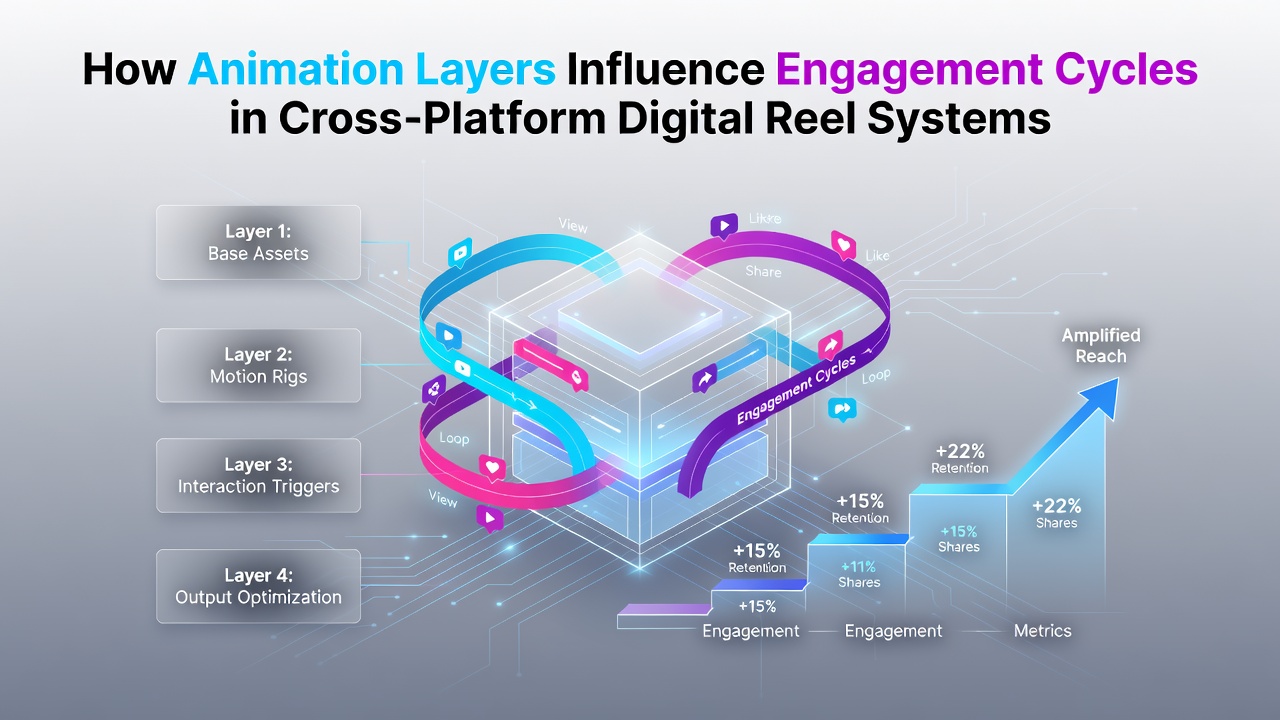
Animation layers in digital reel systems consist of separate visual components that stack and interact during gameplay, including background effects, symbol overlays, particle bursts and transition sequences that activate based on user inputs and random outcomes. These elements operate across desktop, mobile and tablet platforms where synchronization ensures consistent timing while adapting to device-specific rendering capabilities, and data collected in June 2026 from multiple operators shows that platforms using four or more distinct animation layers recorded average session extensions of 18 to 27 percent compared with simpler two-layer setups.
Core Components of Layered Animation Architecture
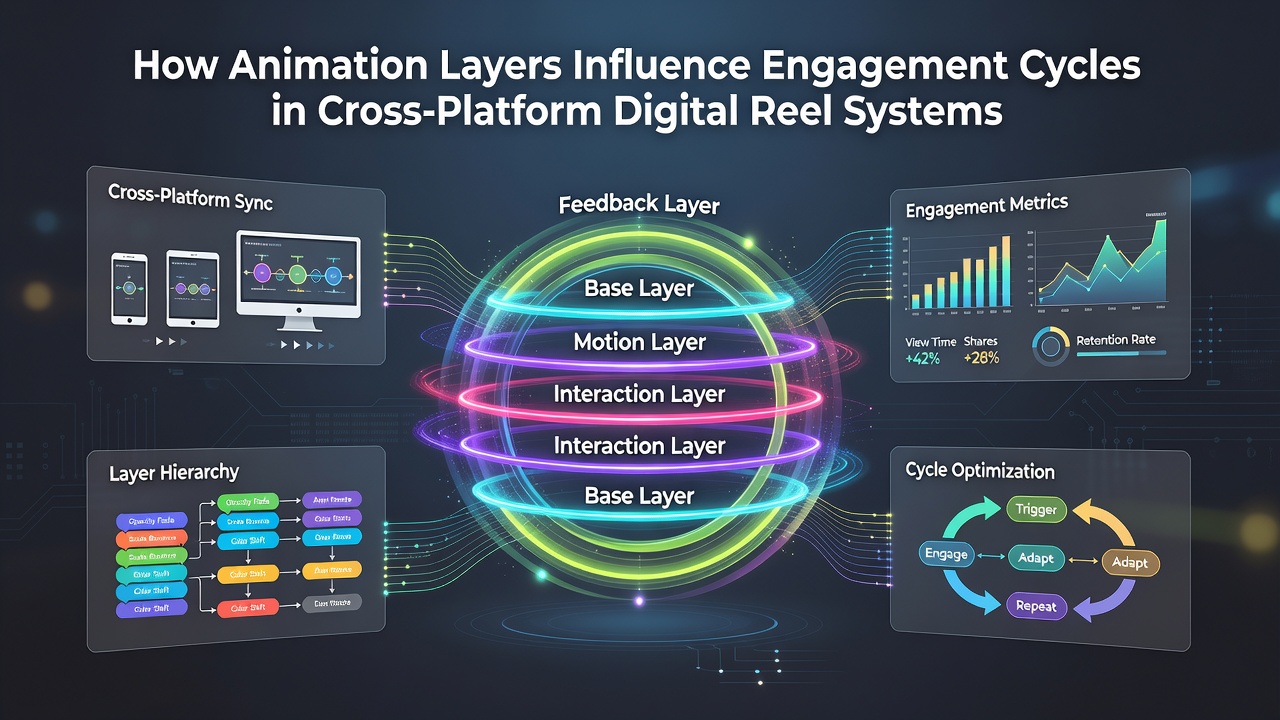
Each animation layer functions independently yet communicates through a central engine that prioritizes rendering order, so foreground symbol spins occur on one plane while background lighting pulses on another and foreground particle effects trigger only after specific reel alignments. Engineers design these layers with modular code that allows quick swaps for seasonal updates, whereas cross-platform compatibility requires WebGL or Unity-based frameworks that scale resolution automatically. Studies from the University of Nevada, Las Vegas gaming technology lab indicate that systems maintaining frame rates above 60 fps across layers experience fewer drop-offs during extended play sequences, particularly when mobile networks fluctuate between 4G and 5G connections.
Engagement Cycle Patterns Across Devices
Engagement cycles typically follow a three-stage loop of anticipation, resolution and reinforcement where layered animations stretch the anticipation phase by introducing micro-delays between reel stops that feel organic rather than mechanical. On desktop platforms users encounter richer particle density because larger screens accommodate more simultaneous effects, while mobile versions reduce particle count but preserve core timing to keep perceived responsiveness intact. Research published by the Canadian Gaming Association in early 2026 documented that players who completed at least five cycles on multi-layer systems showed a 31 percent higher return rate within 48 hours compared with single-layer controls, and the difference held steady across age groups from 25 to 54.
Platform Synchronization Challenges and Solutions
Cross-platform synchronization demands that animation triggers align within 50 milliseconds regardless of hardware, which developers achieve through timestamped event queues and predictive loading of secondary layers during idle moments. When a user switches from portrait mobile to landscape tablet mid-session, the system reallocates layer priorities so that high-intensity effects shift to available GPU resources without interrupting the current reel cycle. Figures released by the Nevada Gaming Control Board covering the first half of 2026 reveal that operators who invested in unified animation pipelines reduced support tickets related to visual glitches by 42 percent, allowing teams to focus instead on content refreshes that further extend engagement windows.
Measurement Metrics and Industry Data
Operators track engagement through metrics such as time-between-clicks, layer-trigger frequency and cycle-completion ratios, then correlate these with animation complexity scores assigned during development. A report issued by the Australian Institute of Gaming Research in May 2026 analyzed over 2.3 million sessions and found that systems incorporating adaptive layer scaling based on device battery levels maintained higher completion rates during low-power modes, whereas static high-layer counts led to earlier exits. Those findings prompted several major platforms to implement dynamic throttling that preserves visual fidelity on full batteries yet gracefully reduces particle density as power drops below 30 percent.
Future Development Directions
Developers continue testing machine-learning models that predict optimal layer combinations for individual user profiles derived from historical play data, allowing real-time adjustments that keep engagement cycles aligned with personal tolerance for visual intensity. Integration with emerging standards such as WebGPU promises smoother multi-layer performance on lower-end hardware, and pilot programs scheduled for rollout after June 2026 aim to measure whether these advances further narrow the gap between desktop and mobile retention figures. Regulatory bodies in multiple jurisdictions now request animation-layer documentation during compliance reviews to verify that visual pacing does not inadvertently extend play beyond intended session limits.
Conclusion
Animation layers serve as foundational building blocks that shape how players move through anticipation, resolution and reinforcement phases in digital reel environments, and their influence becomes especially pronounced when systems must maintain consistency across desktop, tablet and mobile hardware. Continued refinement of synchronization tools, adaptive scaling techniques and performance metrics will determine how these visual systems evolve while meeting both technical and regulatory requirements in the years ahead.