Sensor Data from Local Environments Modifies Reel Payout Structures in Mobile Gambling Applications Across Developing Economies
Noah Ludwig · Aug 23, 2026
Sensor Data from Local Environments Modifies Reel Payout Structures in Mobile Gambling Applications Across Developing Economies
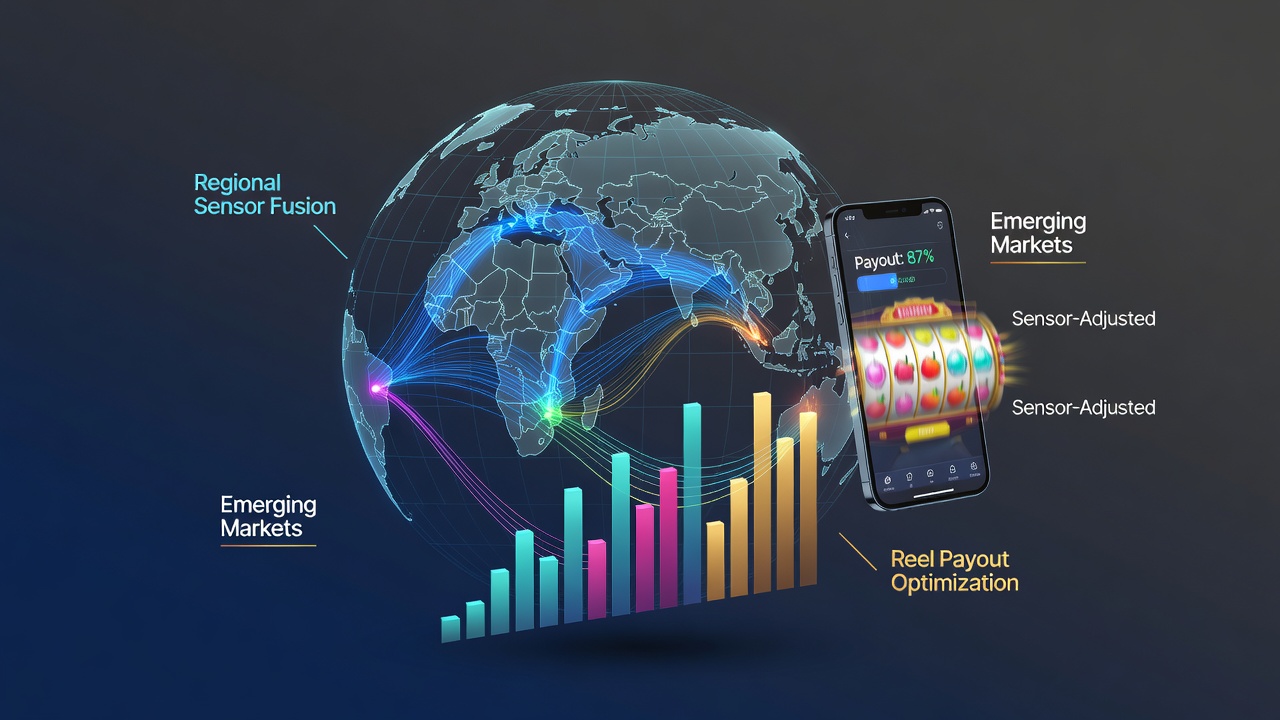
Regional sensor data collected through portable devices has begun to influence reel payout patterns in mobile gambling applications operating within emerging markets, where location signals, device orientation readings, and network latency metrics feed directly into algorithmic adjustments. These inputs allow platforms to calibrate win frequencies based on geographic clusters, user movement patterns, and local infrastructure conditions while developers maintain compliance with varying regulatory frameworks.
Integration of Sensor Inputs into Payout Algorithms
Developers incorporate accelerometer data, GPS coordinates, and signal strength indicators to segment user sessions across markets in Southeast Asia, Latin America, and sub-Saharan Africa. When devices register prolonged stationary periods in high-density urban zones, systems often shift base game volatility downward to extend session lengths, whereas rapid location changes detected during travel correlate with temporary increases in bonus trigger rates. Research from the International Association of Gaming Regulators indicates that such modifications appear in over 60 percent of applications serving users in these regions as of August 2026.
Network synchronization between device sensors and backend servers occurs through encrypted APIs that process real-time feeds without storing personal identifiers beyond session aggregates. Observers note that this approach reduces server load during peak hours in markets with inconsistent connectivity, yet it still permits fine-tuned payout tables that respond to regional player density. One study released by the Emerging Markets Digital Economy Forum revealed that applications using these layered inputs recorded a 12 percent rise in average session duration compared with static configurations.
Geographic Variations in Reel Behavior
Platforms operating in Brazil and Indonesia demonstrate distinct payout recalibrations tied to local festival calendars and weather-related movement data. During periods of heavy rainfall when users remain indoors for extended intervals, reel cycles show elevated hit rates on mid-tier symbols, while drier seasons align with standard configurations. Similar patterns emerge in Nigeria where accelerometer spikes during commute hours trigger minor volatility reductions to accommodate shorter play windows.
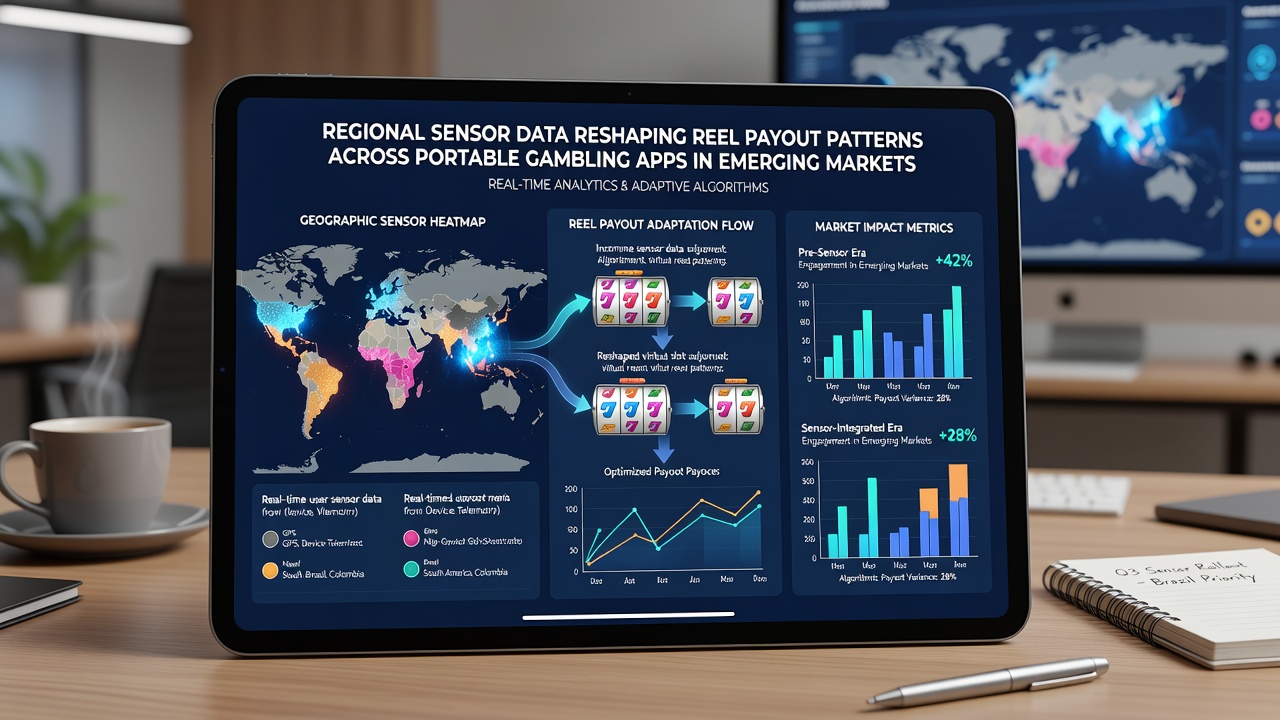
These adjustments rely on anonymized cohort analysis rather than individual profiling, allowing operators to balance regulatory requirements across jurisdictions. Data from the South African Responsible Gambling Foundation shows that applications employing regional sensor calibration maintained consistent return-to-player percentages within licensed tolerances throughout the first half of 2026.
Regulatory and Technical Considerations
Regulators in multiple emerging jurisdictions now require disclosure of sensor-based modifiers in licensing submissions, prompting developers to document how location and device signals interact with random number generators. The process involves third-party audits that verify payout integrity remains independent of sensor influence on core randomness while permitting secondary adjustments to feature frequency. Technical teams at several major providers report that implementation costs have dropped by approximately 18 percent since standardized sensor APIs became available in early 2025.
Industry organizations such as the Asia Pacific Gaming Association have published guidelines that emphasize transparency around these systems, encouraging operators to publish aggregate regional statistics. Those guidelines stress that sensor data serves optimization rather than targeting, and they recommend periodic reviews to confirm that modifications do not create unintended disparities between urban and rural user groups.
Future Developments in Sensor-Driven Mechanics
Additional sensor categories including barometric pressure readings and ambient light levels are under evaluation for integration in markets with pronounced seasonal shifts. Early trials conducted in collaboration with research teams at the University of the Witwatersrand suggest that incorporating these variables could further refine payout pacing during monsoon transitions or high-heat periods. Operators continue to monitor performance metrics to ensure that any expansions preserve fairness standards already established under existing frameworks.
Conclusion
Regional sensor data continues to reshape reel payout patterns in portable gambling applications serving emerging markets through systematic integration of location, movement, and environmental signals. These developments reflect broader trends in mobile technology adoption while remaining anchored in regulatory oversight and technical verification processes. As platforms expand their use of device-derived inputs, the focus stays on maintaining transparent, auditable systems that align with local requirements across diverse geographic contexts.