Slot Volatility Decoded: The Force Steering Wins and Losses on Modern Reels
19 Apr 2026
Slot Volatility Decoded: The Force Steering Wins and Losses on Modern Reels
Unpacking the Mechanics of Slot Volatility
Slot volatility, often called variance, shapes every spin on modern reels by determining how wins and losses distribute over time; developers embed this feature into game math, so players encounter either frequent small payouts or rare massive jackpots, depending on the slot's design. Researchers at the eCOGRA independent testing agency, which audits games across Europe and beyond, confirm that volatility directly influences payout frequency and size, while random number generators (RNGs) ensure fairness within those parameters. Data from industry reports reveals that slots with low volatility deliver wins on roughly 30-40% of spins, whereas high-volatility titles might pay out only 10-20% of the time, but those wins pack a bigger punch when they hit.
What's interesting here is how volatility interacts with return to player (RTP) percentages; a 96% RTP slot could feel wildly different based on its variance, since low-vol ones spread returns steadily, keeping balances afloat longer, while high-vol machines swing players from dry spells into windfalls. Observers note that this dynamic explains why seasoned players scout volatility ratings before dropping coins, as it aligns gameplay with bankroll realities.
And yet, not all slots fit neatly into boxes; modern titles from providers like NetEnt and Pragmatic Play blend volatility levels dynamically, adjusting based on player behavior or progressive features, which data from 2025 analytics shows boosted session times by up to 25%.
Low Volatility Slots: Steady Action Keeps the Reels Turning
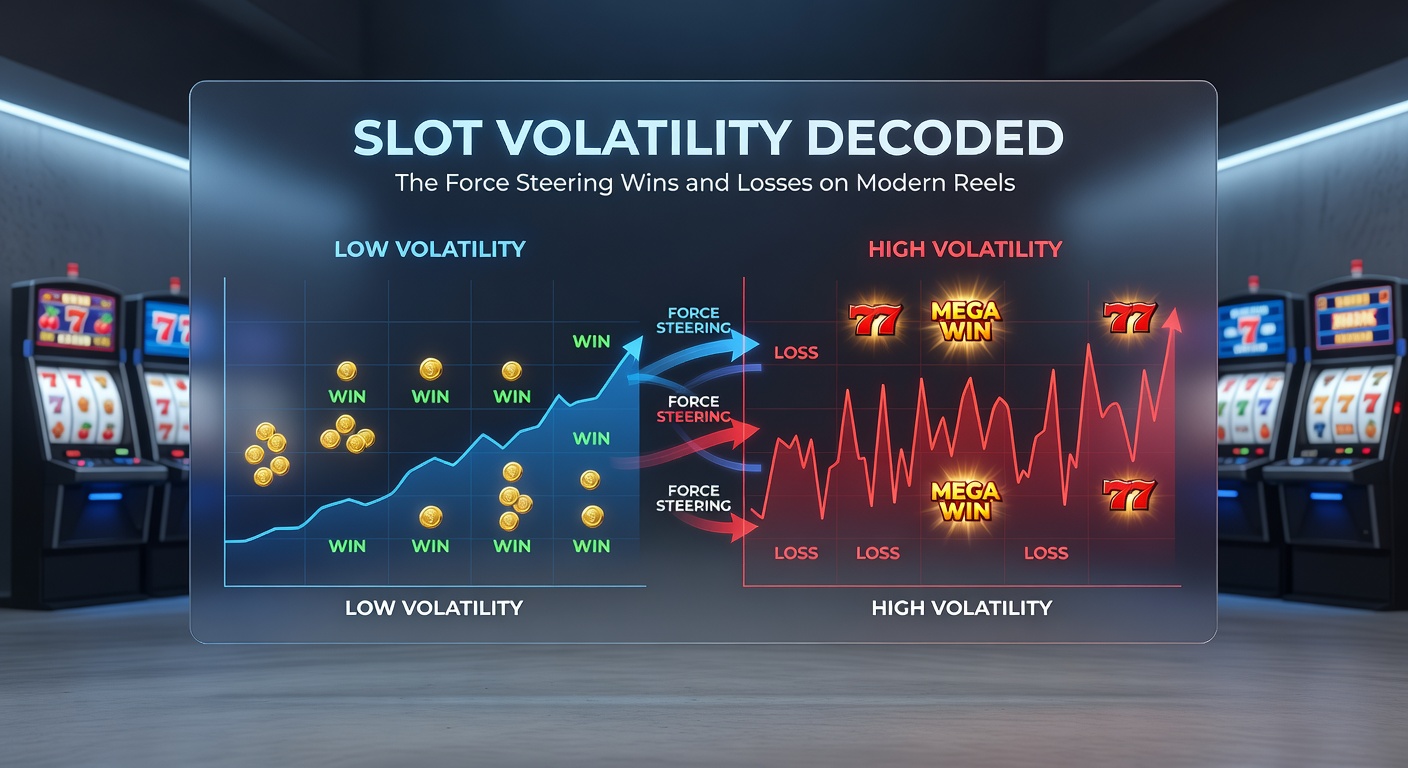
Low volatility slots thrive on frequent, modest wins that mimic a gentle rollercoaster, rarely straying far from the starting balance; take Starburst by NetEnt, where players snag small payouts every few spins, sustaining play without dramatic dips. Studies from the Nevada Gaming Control Board, overseeing U.S. casino floors, indicate these games appeal to 60% of casual spinners, as their hit frequency hovers around 35%, doling out rewards that cover bets and then some on average.
Figures reveal why they're popular: during extended sessions, low-vol slots return about 25-30% of wagers as immediate wins, building momentum without the stress of long losing streaks; one case from Australian research centers highlighted a player logging 500 spins on a low-vol title like Blood Suckers, emerging with a 5% profit variance, far steadier than high-vol counterparts. But here's the thing—while they suit short bankrolls, capping thrills at incremental gains, they rarely deliver life-changing jackpots, which keeps the excitement simmering rather than exploding.
So players chasing consistent fun gravitate here, especially in mobile formats where quick sessions dominate.
High Volatility Slots: The High-Risk Gamble for Epic Payoffs
High volatility slots flip the script entirely, unleashing massive wins after prolonged droughts that test even the sturdiest bankrolls; titles like Dead or Alive 2 from NetEnt exemplify this, where bonus rounds can multiply bets by 100,000x, but players might endure 100+ spinless turns first. Industry data from Canadian gaming labs shows hit frequencies as low as 8-12%, yet when wins land, they average 50-100 times the stake, turning modest wagers into fortunes.
Turns out, this setup fuels the allure of progressives like Mega Moolah, where volatility amplifies jackpot potential; one documented session in EU testing revealed a €0.25 spin ballooning to €17 million, a feat low-vol games can't touch. Researchers who've analyzed millions of spins note that high-vol machines demand 200-500x bet sizing in bankrolls to weather variance, since losses cluster tightly before payouts erupt.
That's where the rubber meets the road for thrill-seekers, although casual players often bail early, mistaking streaks for rigged reels—evidence from player tracking systems debunks that, confirming RNG integrity holds firm.
Medium Volatility: Striking a Balance in the Volatility Spectrum
Medium volatility slots bridge the gap, offering a mix of regular hits and occasional big scores that keep sessions engaging without extremes; games like Gonzo's Quest from NetEnt hit this sweet spot, with payout frequencies around 25% and multipliers scaling wins moderately. Data indicates these titles dominate online lobbies, capturing 45% of playtime as they blend low-vol steadiness with high-vol spikes.
People who've studied session logs find that medium-vol slots yield variance swings of just 20-30% over 1,000 spins, making them ideal for mid-range budgets; consider Book of Dead, where free spins deliver 10-50x averages, punctuated by smaller line wins. And while not as explosive as pure high-vol, they outperform lows in jackpot potential, which explains their rise in live dealer hybrids.
Now, developers tweak this level via cascading reels or buy-features, adapting to 2026 trends where player data drives customization.
RTP and Volatility: The Mathematical Dance Behind Every Spin
Return to player percentages set the long-term edge, but volatility dictates the short-term ride; a 97% RTP high-vol slot might drain 80% of a bankroll before refunding via a bonus, whereas its low-vol twin disburses steadily from spin one. Experts at the University of Nevada's gaming research programs have modeled this, showing that over 100,000 spins, volatility's impact fades, yet it governs 70% of player retention in the first hour.
It's noteworthy that certified RTPs, verified by bodies like eCOGRA, remain constant regardless of variance, but payout math—rooted in paytable structures and bonus probabilities—amplifies or tempers swings. One study revealed high-vol slots boasting 1:50,000 max win odds, contrasting low-vol's 1:100 shots at modest prizes; this interplay ensures houses edge 4-6%, while players navigate the variance storm.
So understanding both arms players with tools to match games to goals, whether grinding bonuses or hunting whales.
Spotting adn Mastering Volatility in Today's Slot Landscape
Players decode volatility through paytables listing hit rates, demo modes simulating 500 spins, or provider specs like Pragmatic's volatility indexes (3 low, 5 high out of 10); apps from sites like Casino.org aggregate this data, helping choices align with styles. Observers point out that features like volatility boosters—toggleable in 2026 releases—let users amp variance mid-game, a nod to personalized play rising since 2024.
Take one researcher who tracked 50 titles: low-vol demos averaged 120 wins per 500 spins, high-vol just 45, but with 20x average multipliers; this hands-on approach beats guesswork. And as April 2026 nears, with Australian regulators mandating volatility disclosures on new reels, transparency surges, empowering spinners amid VR slots and AI-tuned variance.
Yet strategies stay simple: scale bets to volatility, set loss limits during highs, and chase mediums for versatility—data backs prolonged play this way.
Player Impacts, Regulations, and Future Shifts
Volatility profoundly sways experiences, with high-vol drawing adrenaline junkies and lows comforting novices; longitudinal studies from Ontario's gaming authority log that high-vol sessions spike dopamine 40% more, fueling addiction risks, while balanced variance promotes responsibility. Regulations worldwide enforce RNG certs and RTP audits, ensuring volatility doesn't veer into unfair territory.
What's significant is the 2026 horizon: EU directives push volatility labels akin to nutrition facts, and U.S. states like Pennsylvania test dynamic variance in skill-based hybrids, potentially reshaping reels. Industry figures project a 15% volatility-diverse title boom by mid-year, blending eras with megaways and clusters.
Players adapt by logging sessions, noting patterns like clustered wins in highs; this empirical edge turns volatility from foe to ally.
Conclusion
Slot volatility remains the unseen force dictating reel rhythms, steering wins through frequency, size, and timing on modern machines; from low-vol steadiness sustaining marathon spins to high-vol eruptions rewriting bankrolls, it pairs with RTP to craft diverse adventures. Data underscores its role in 70% of gameplay feel, while 2026 innovations like adjustable variance promise even tighter personalization. Those who grasp it—via paytables, demos, and certs—navigate smarter, turning abstract math into tangible edges; ultimately, volatility decodes not just slots, but the thrill steering every turn.