17 May 2026
Tracing the Evolution of Multiplier Features Within Modern Digital Spinning Interfaces
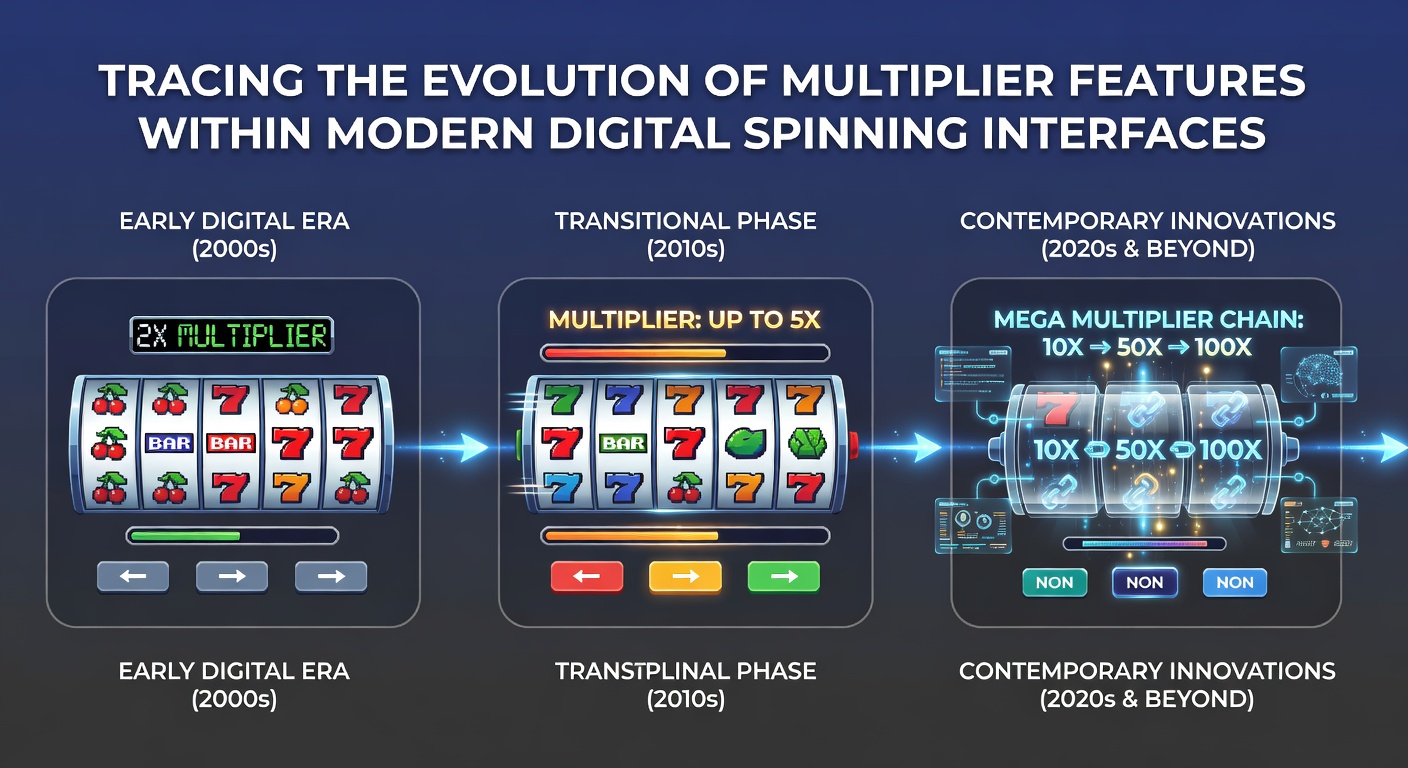
Multiplier features have shifted from basic add-ons in mechanical reel games to intricate systems that reshape payout structures across digital spinning interfaces, and this progression reflects broader changes in game design, player engagement patterns, and regulatory oversight. Early mechanical slots incorporated simple multipliers through physical symbols that doubled or tripled line wins, yet these remained limited by hardware constraints that prevented dynamic adjustments during play sessions.
Foundations in Mechanical and Early Electronic Eras
Developers introduced multipliers as fixed values attached to specific reel positions, which meant a single symbol could scale an entire combination without altering core mechanics, and this approach persisted through the mid-twentieth century when physical reels dominated casino floors. Observers note that such features provided straightforward excitement while staying within the technical boundaries of spring-loaded mechanisms and basic circuitry. Research from industry archives shows that by the 1980s, electronic versions began embedding multipliers into bonus rounds, allowing operators to layer additional rewards onto standard spins without redesigning entire cabinets.
Those who studied these transitions point out how manufacturers gradually replaced static multiplier values with variable ones triggered by combinations of scatter symbols, and this change coincided with the rise of video screens that displayed animated effects to highlight scaled payouts. Data from gaming equipment suppliers indicates that multiplier integration helped stabilize player retention rates during that period, since the feature offered visible progress toward larger outcomes within a single session.
Digital Expansion and Programmable Multipliers
The move to fully digital interfaces in the late 1990s enabled multipliers to operate through software algorithms rather than fixed hardware, which opened pathways for multipliers that increased progressively across consecutive wins or cascaded reel sets. Experts have observed that this programmability allowed game studios to create features where a base multiplier of two could climb to ten or higher based on accumulating symbols, and such systems appeared in titles released across North American and European markets. Figures from regulatory filings reveal that these advancements required updated compliance testing to ensure random number generators interacted correctly with multiplier triggers.
What's interesting is how digital interfaces decoupled multipliers from physical reel positions, letting them apply across multiple paylines simultaneously while incorporating random elements that activated only under specific conditions. One study conducted by university researchers in Canada documented how these programmable multipliers altered average return-to-player calculations, prompting operators to recalibrate game mathematics accordingly.
Contemporary Systems and Layered Mechanics
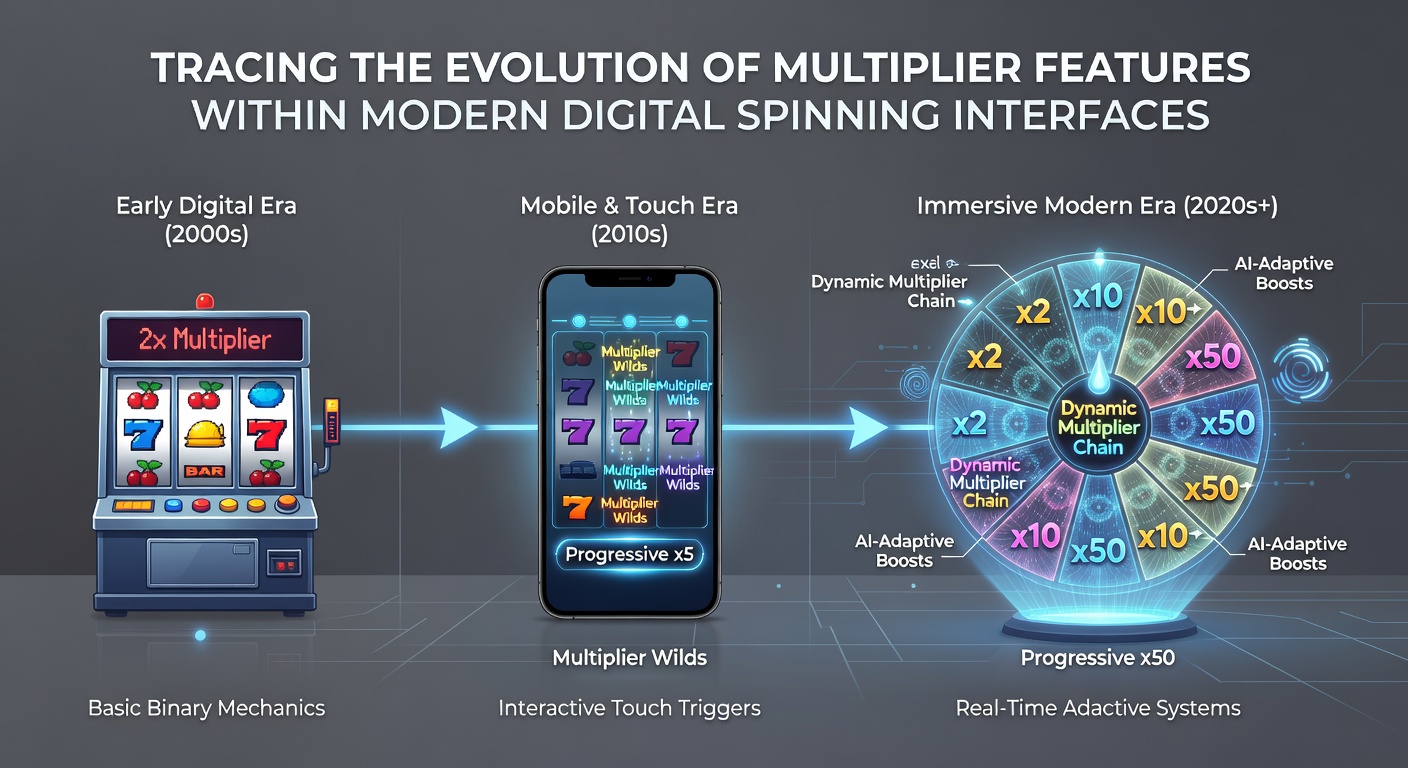
Current digital spinning interfaces frequently combine multipliers with cascading reels, expanding grids, and bonus buy options, and this layering produces outcomes where a single spin sequence can accumulate multipliers from several sources at once. According to reports issued by the Gaming Standards Association, these combined systems underwent standardized testing protocols that addressed both fairness and display accuracy, particularly after updates implemented in May 2026 that emphasized transparent multiplier tracking for players. Industry data shows that multipliers now often interact with collection meters that carry over between spins, creating sustained engagement without requiring constant new wagers.
Researchers discovered that geographic variations in multiplier design emerged as developers tailored features to regional preferences, with Australian markets favoring high-volatility multipliers paired with free-spin rounds, whereas Canadian platforms integrated them more frequently into base-game progressions. Those who've examined player behavior logs note that such adaptations helped maintain compliance with local gaming authorities while preserving core mathematical integrity across jurisdictions.
Regulatory Influences and Technical Standards
Regulatory bodies in multiple regions have shaped multiplier evolution through guidelines that mandate clear disclosure of how values accumulate and apply during play. A technical paper from the Nevada Gaming Control Board highlighted testing procedures for verifying that multiplier displays match actual payout computations, and similar frameworks have been adopted by oversight groups in additional territories. This focus on transparency emerged partly because digital interfaces allow multipliers to reach values previously impossible in mechanical formats, which raised questions about probability communication.
Yet the integration of multipliers into live dealer and hybrid formats has introduced further complexity, since real-time adjustments must align with both digital algorithms and physical card or wheel outcomes. Observers note that May 2026 saw several operators publish updated interface specifications that included enhanced multiplier visualization tools, addressing player requests for immediate feedback on scaled rewards.
Conclusion
The trajectory of multiplier features within modern digital spinning interfaces demonstrates steady adaptation to technological capabilities and oversight requirements, moving from fixed physical symbols to dynamic software-driven systems that interact with multiple game layers. Evidence from equipment certifications and academic analyses confirms that these elements continue to evolve in response to both innovation and compliance demands, shaping how outcomes are calculated and presented across global platforms. Continued monitoring by industry organizations will likely guide further refinements as interfaces incorporate emerging display and connectivity standards.